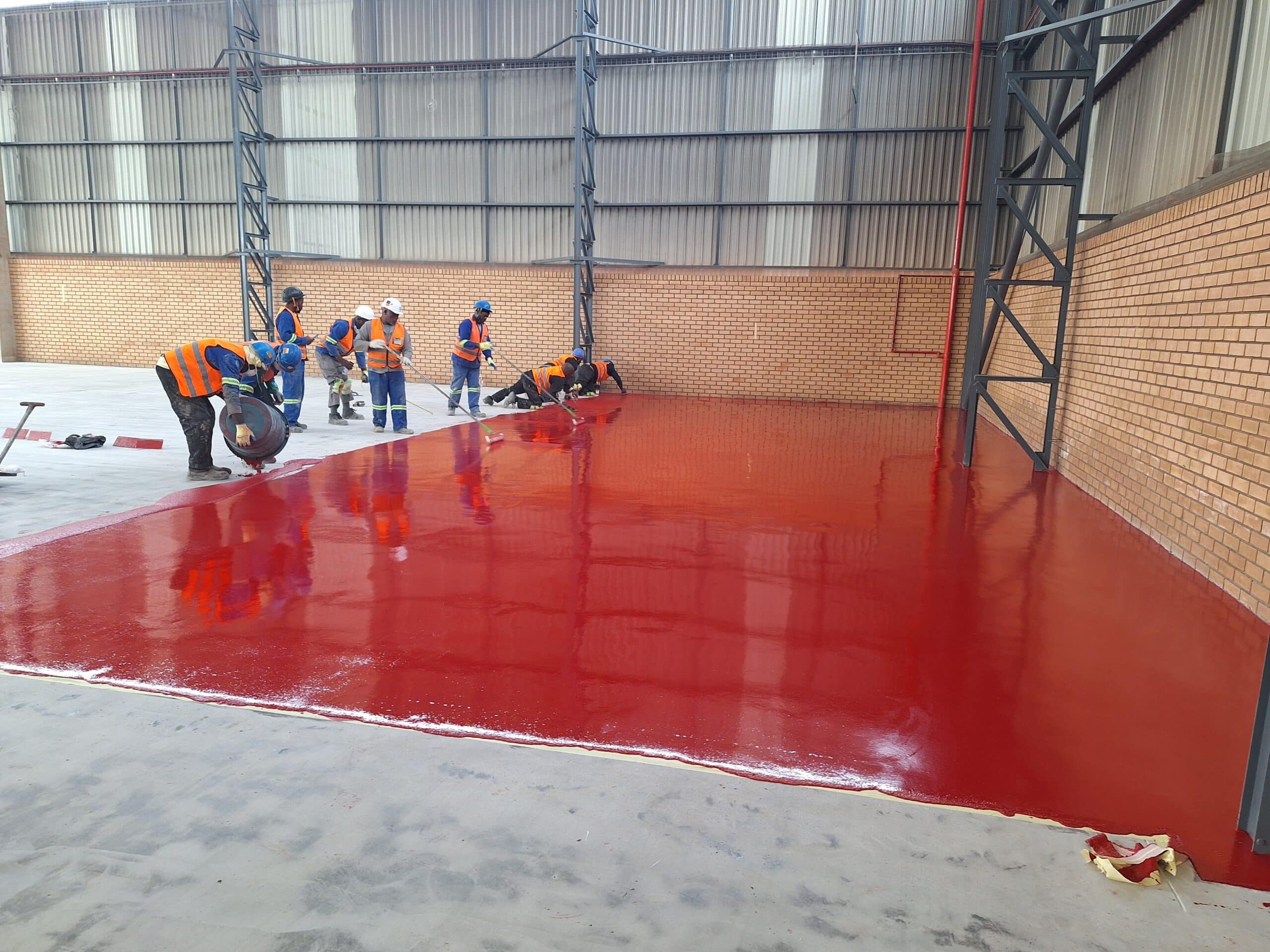
For industrial facilities, the real cost of a flooring installation is not always the price per square metre. Often, it is the time the facility has to stop operating while the floor is installed and cured.
Many conventional epoxy and polyurethane flooring systems require longer return-to-service periods than rapid-cure technologies. Cure times vary by formulation, temperature, thickness and service conditions, but when the available maintenance window is measured in hours rather than days, return-to-service time becomes a critical specification criterion.
This is where methyl methacrylate, or MMA, changes the conversation.
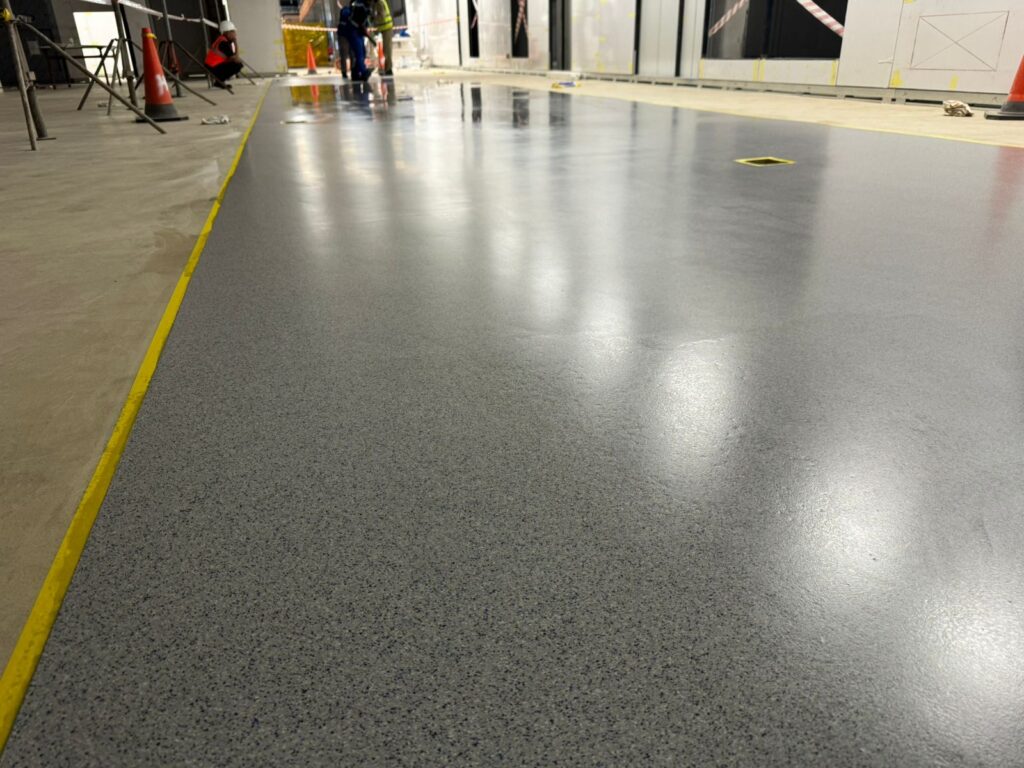
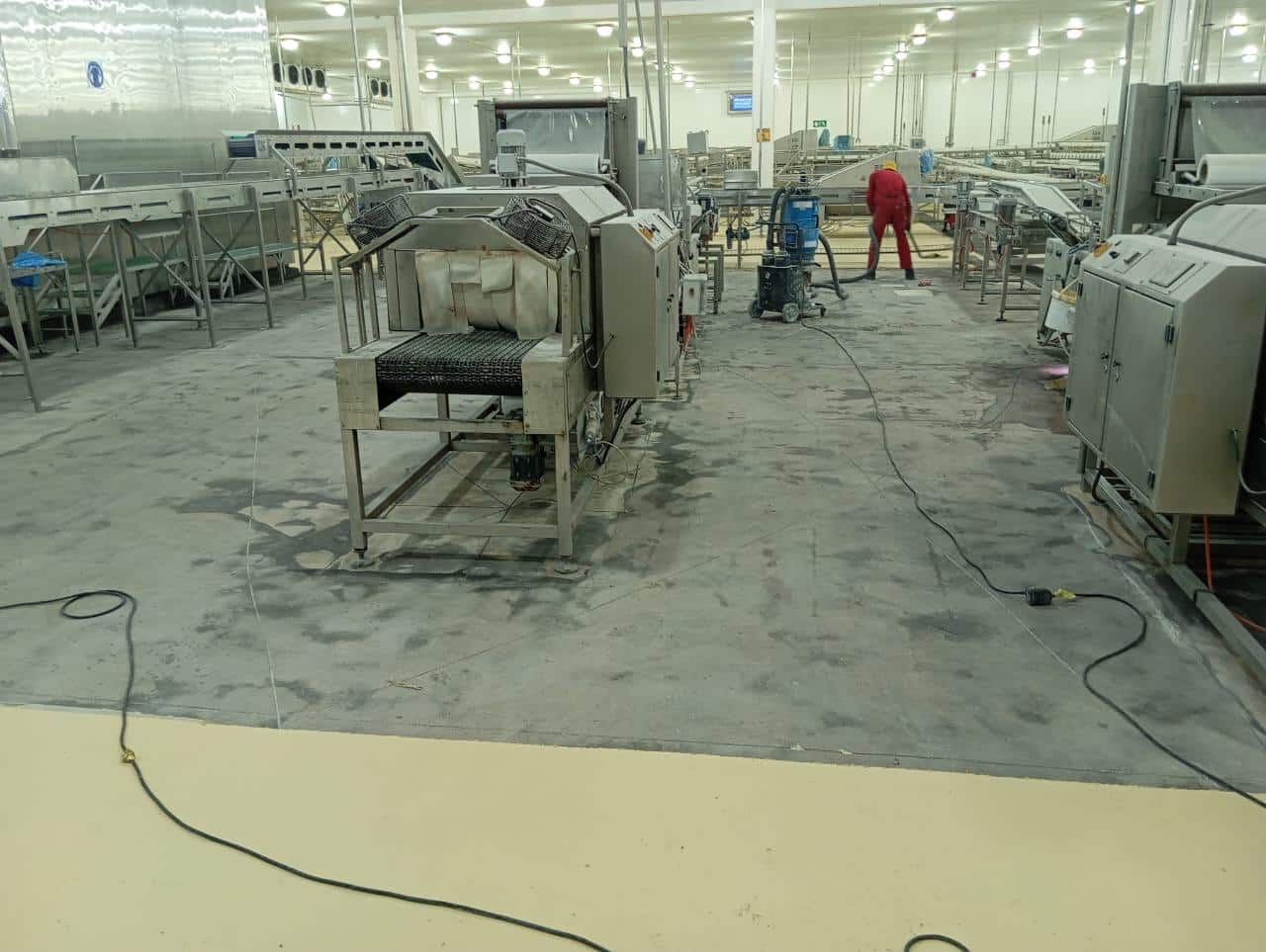
A food production facility operating double shifts, six days a week, needed to repair a failing production floor with minimal disruption to production. The existing polyurethane screed had been cracking along joint lines for several months, while localised delamination had been identified as a hygiene concern during a food-safety audit.
The available maintenance window was just four hours on a Sunday morning. That window had to accommodate surface preparation, repairs, application, curing and the required return-to-service time. Before selecting a replacement system, the causes of the cracking and delamination still needed to be understood. Rapid curing cannot compensate for substrate movement, poorly detailed joints, contamination, moisture-related failure or inadequate preparation.
Once those issues have been addressed, the required return-to-service time becomes part of the flooring specification.
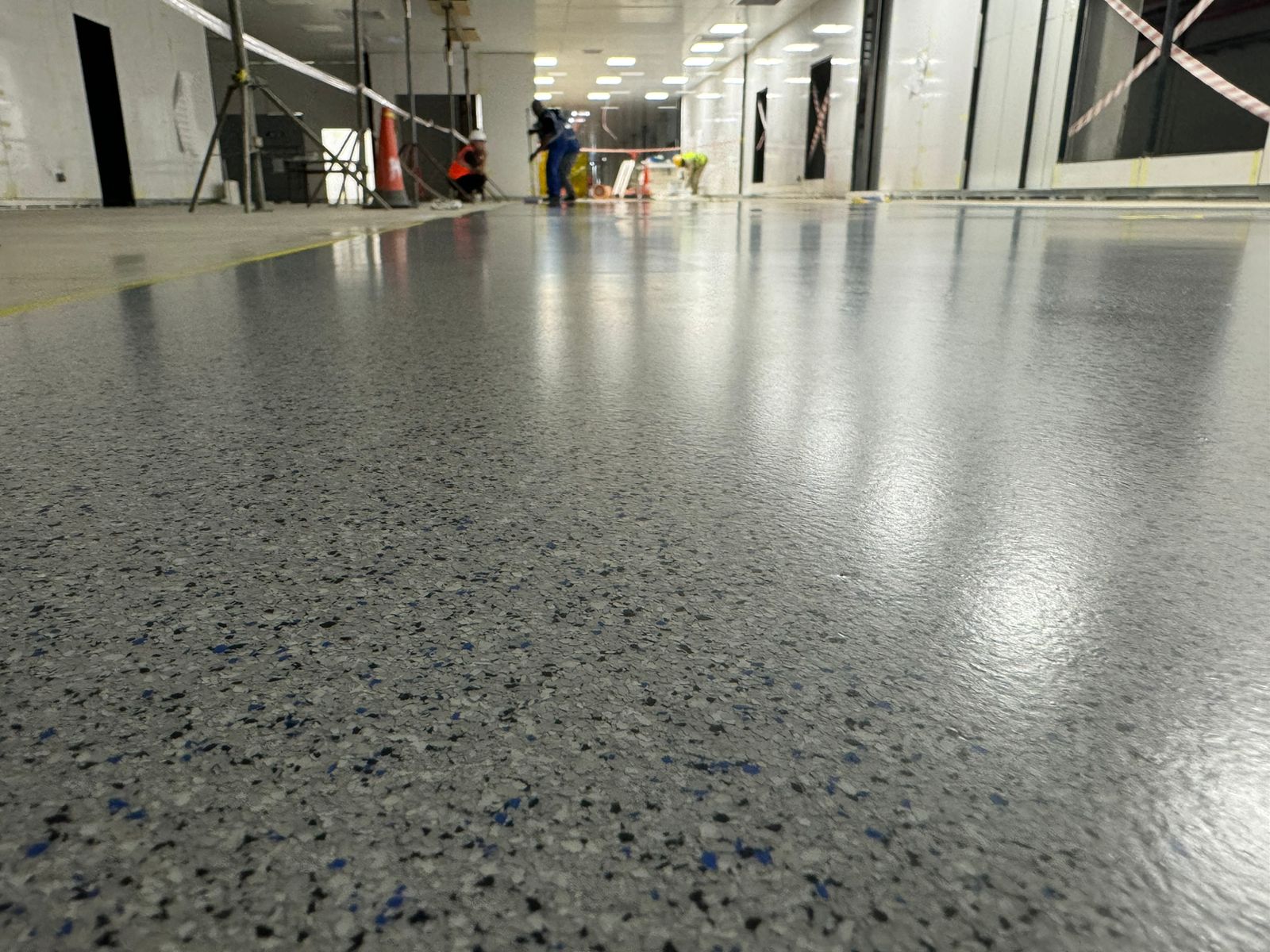
Why MMA cures so quickly
Epoxy and polyurethane flooring systems are typically supplied as two or more components that are mixed before application. Once mixed, the components react and harden to form a durable flooring surface. Polyurethane-cement systems are more complex, combining polyurethane chemistry with cement and mineral components to create a tough, heavy-duty flooring system.
MMA flooring works differently. Instead of curing in the same way as epoxy or polyurethane systems, MMA hardens through a rapid polymerisation reaction, typically triggered by an initiator added immediately before application. This rapid reaction is one of the key reasons MMA flooring can cure so quickly.
Some commercial MMA flooring systems can achieve full cure in approximately one hour under the specified application conditions, allowing rapid return to service. The exact curing time is product-specific and should always be confirmed against the current technical data sheet.
Temperature also affects the reaction. Higher temperatures generally speed up polymerisation and reduce working time, while lower temperatures slow the process. In some systems, the amount of initiator must therefore be adjusted according to the material, substrate and ambient temperature. These ratios must always follow the manufacturer’s instructions and should never be adjusted by guesswork on site.
Where MMA earns its place
The phrase “complete system” matters
Movement joints must remain functional and should be carried through the flooring system using the correct joint detail. They should not simply be covered over with a rigid resin system. The same principle applies to cracking and delamination. If an existing floor is debonding or cracking, the underlying cause must be identified and corrected before the new flooring system is installed. MMA can solve a return-to-service challenge, but it cannot compensate for an incorrectly diagnosed or poorly prepared substrate.
Rapid polymerisation gives MMA its greatest advantage, but it also demands disciplined application. Once the initiator has been mixed into the resin, the applicator has a limited working time before the material begins to harden.
Batch size, material and substrate temperature, mixing sequence, initiator dosage and crew coordination therefore need to be carefully controlled. Experienced applicators are important because there is less time to correct mistakes. Poor mixing, incorrect dosing or delays between batches can lead to curing problems, visible transitions or inconsistent finishes.
Substrate preparation is equally critical. Concrete must be sound, properly prepared and free from laitance, oil, grease and other contaminants that could interfere with adhesion. Cracks, joints and damaged concrete must be assessed and treated before the flooring system is installed. Moisture conditions must also remain within the limits specified for the selected system.
Condensation presents a separate risk. During application, the substrate temperature must remain sufficiently above the dew point to reduce the risk of moisture forming at the bond interface or on the uncured material.
Low-temperature application
Safety during installation
MMA installation also requires appropriate safety controls. Uncured MMA resin is flammable, so smoking, open flames, sparks and other ignition sources must be controlled during storage, mixing and application. Appropriate ventilation must be provided to prevent the accumulation of MMA vapours and maintain safe working conditions. Where required by the product SDS and site risk assessment, ventilation and electrical equipment must be suitable for use in a potentially flammable atmosphere.
Installers must use the personal protective equipment specified in the relevant safety data sheets. Skin and eye contact should be prevented and inhalation exposure controlled. Food and exposed food-contact materials should be removed or fully isolated from the work area in accordance with the manufacturer’s requirements and the site risk assessment. The SDS and technical data sheet for every component of the system, together with the project-specific method statement, must govern the work.
Downtime changes the business case
Downtime has a measurable cost. Every hour a production line cannot operate has a value. Every shift a distribution centre cannot dispatch product has a value. Every additional period that a food-processing, retail or logistics environment remains unavailable adds cost beyond the flooring itself. That cost should form part of the specification.
A system with a higher installed cost per square metre may still produce the lower overall project cost if it allows the facility to return to operation much sooner. MMA is not automatically the best resin flooring technology for every application. Epoxy, polyurethane, polyurethane-cement, polyaspartic and MMA systems all have situations where their performance characteristics make them the right choice.
MMA earns its place when rapid return to service is one of the controlling project requirements and the complete flooring system also meets the mechanical, chemical, hygienic and environmental demands of the application.
The specification question is therefore not only:
“What does this floor cost per square metre?” It is also:
“What does it cost the facility to stop?”
When downtime carries a significant cost, cure time stops being a technical footnote. It becomes part of the brief.
Acknowledgment and thanks go to Saint-Gobain Africa (www.saint-gobain-africa.com) for the content of this article.